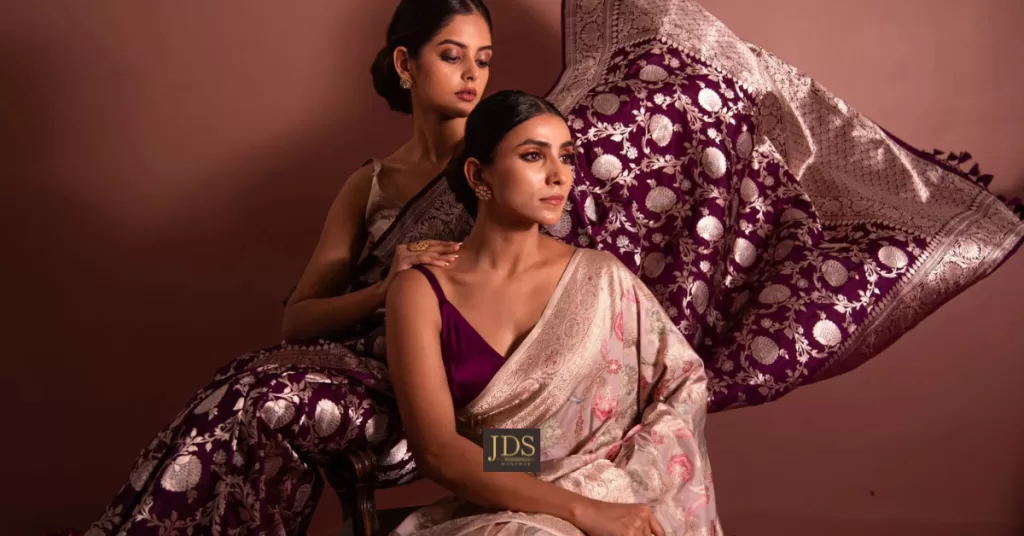
Banarasi sarees are more than just traditional Indian attire—they are symbols of luxury, heritage, and timeless beauty. For centuries, these exquisite sarees have been admired by queens, brides, celebrities, and saree lovers across the world. If you are new to buying Banarasi sarees and wondering why they are so famous, this simple guide will help you understand their charm, value, and how to choose the right one.
A Rich History Rooted in Varanasi
The legacy of Banarasi sarees dates back over 2,000 years to the ancient city of Varanasi (also known as Banaras or Kashi). This sacred city has long been a hub of silk weaving, where skilled artisans pass down their craft from one generation to the next. The weaving tradition flourished during the Mughal era, blending Persian motifs with Indian artistry—giving birth to the Banarasi saree we know today.
When you visit a Banarasi saree showroom in Varanasi, you are not just shopping—you are experiencing living history woven into fabric.
Luxurious Fabrics That Define Royalty
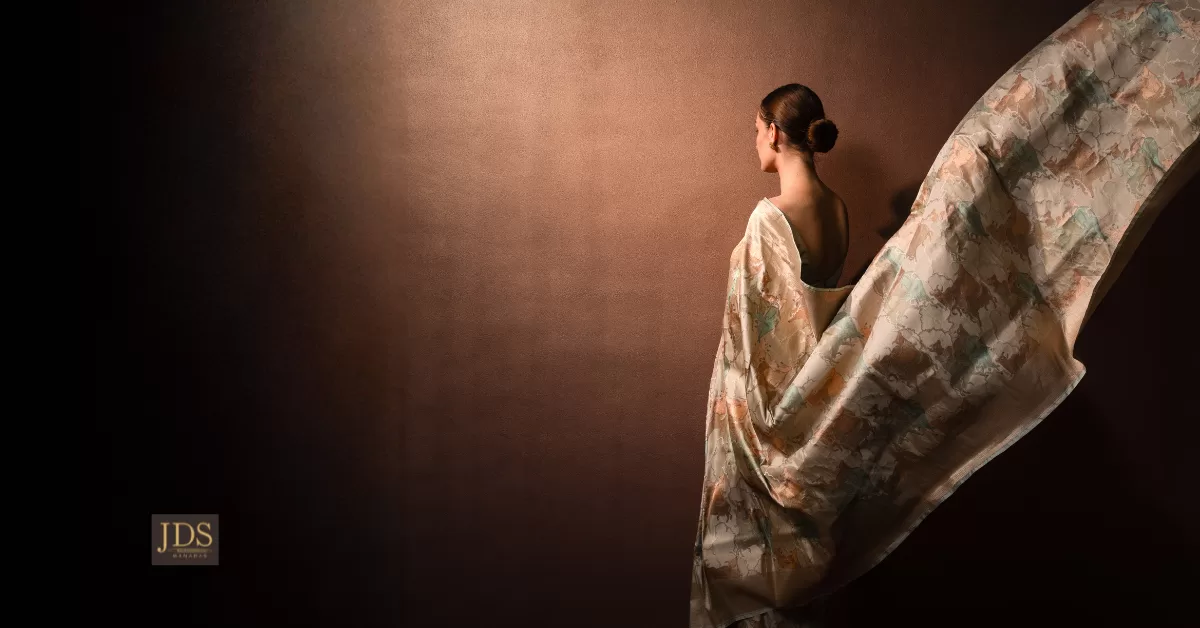
One of the main reasons Banarasi sarees are so famous is the quality of their fabric. Traditionally woven using pure silk, these sarees have a rich texture and a natural sheen that instantly elevates any look. Popular fabric types include:
- Pure Katan Silk – strong, smooth, and luxurious
- Organza (Kora) Silk – lightweight with a crisp finish
- Georgette – modern yet elegant
- Tissue Silk – known for its subtle shine
Each fabric caters to different occasions, budgets, and comfort levels, making Banarasi sarees versatile for both weddings and festive wear.
Intricate Handloom Weaving Techniques
Authentic Banarasi sarees are handwoven on traditional looms, a process that can take anywhere from 15 days to several months for a single saree. The weaving involves meticulous craftsmanship, where every motif is carefully designed and woven thread by thread.
Common Banarasi Weaving Styles Include:
- Jamdani – delicate, floating floral motifs
- Kadhua (Kadhawa/Kadwa) – motifs woven separately
- Tanchoi – intricate patterns with a satin-like finish
- Butidar – heavy gold or silver brocade work
- Cutwork – modern patterns with refined detailing
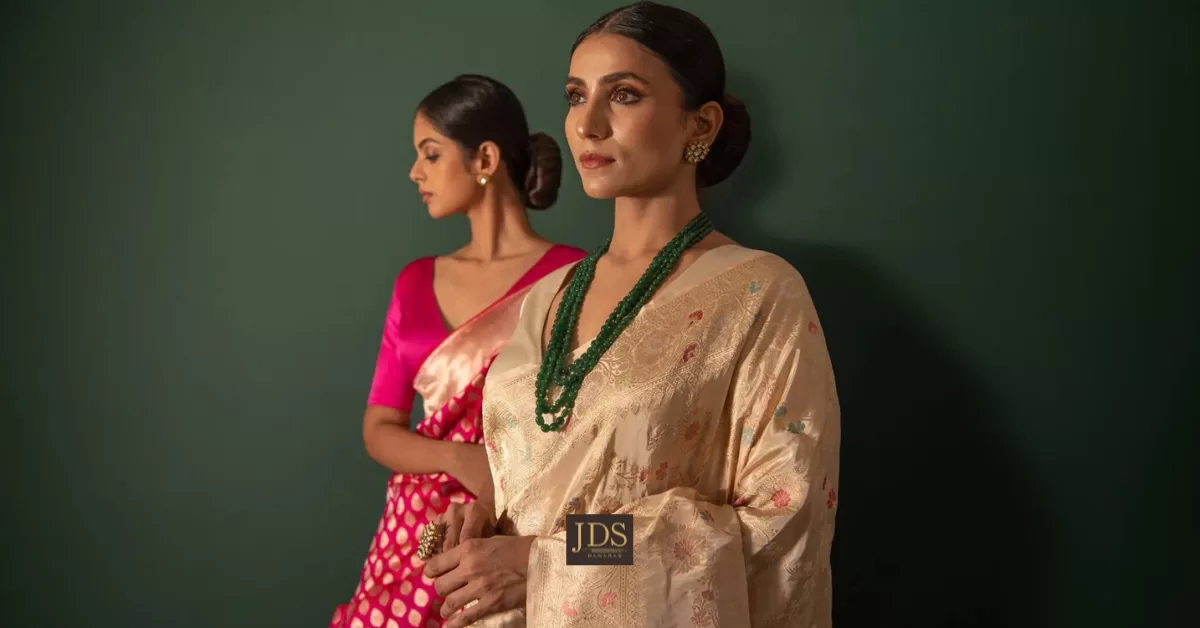
Key Banarasi Weaving Techniques Explained:
- Kadhua (Kadwa):
One of the most labor-intensive techniques, where each motif is woven individually. This creates a clean, detailed look with no loose threads at the back, making the saree reversible and extremely durable. - Cutwork (Phekwa):
Motifs are woven together and excess threads are later cut from the back. It is faster than Kadhua but has loose threads on the reverse side. - Kadhiyal (Korvai):
Uses three shuttles to weave the body and borders in contrasting colours, joined with interlocking threads that create a sharp, defined edge. - Brocade (Zari):
The classic Banarasi technique using supplementary gold or silver zari threads to create rich, opulent motifs on a silk base. - Tanchoi:
Woven using two or more coloured weft threads, often without zari, creating intricate self-patterns or small motifs. - Meenakari:
Incorporates vibrant coloured silk threads within zari or motifs, adding jewel-like pops of colour inspired by enamel work.
This unmatched craftsmanship is what truly sets Banarasi sarees apart from machine-made alternatives.
Real Gold & Silver Zari Work
Another major reason for their fame is the use of zari—metallic threads traditionally made from pure gold and silver. While modern versions may use tested or silk zari, premium Banarasi sarees still reflect royal richness through intricate brocade work.
Common zari motifs include:
- Floral patterns
- Mughal-inspired designs
- Paisleys (kalga & bel)
- Traditional jaal work
This artistry adds immense value and makes Banarasi sarees truly heirloom-worthy.
Perfect Choice for Weddings & Grand Occasions
Banarasi sarees are considered a must-have for Indian weddings, especially for brides. Their grandeur, heavy borders, and rich pallus make them ideal for bridal trousseaus, receptions, and traditional ceremonies.
Even today, many brides prefer purchasing directly from a trusted Banarasi saree shop in Varanasi to ensure authenticity, quality, and fair pricing.
Cultural & Emotional Significance
Beyond fashion, Banarasi sarees hold deep emotional value. They are often gifted during weddings, festivals, and milestone celebrations. In many families, a Banarasi saree is passed down as a treasured heirloom, carrying stories, blessings, and traditions.
Owning one is not just about style—it’s about preserving culture.
Why Varanasi Is the Best Place to Buy Banarasi Sarees
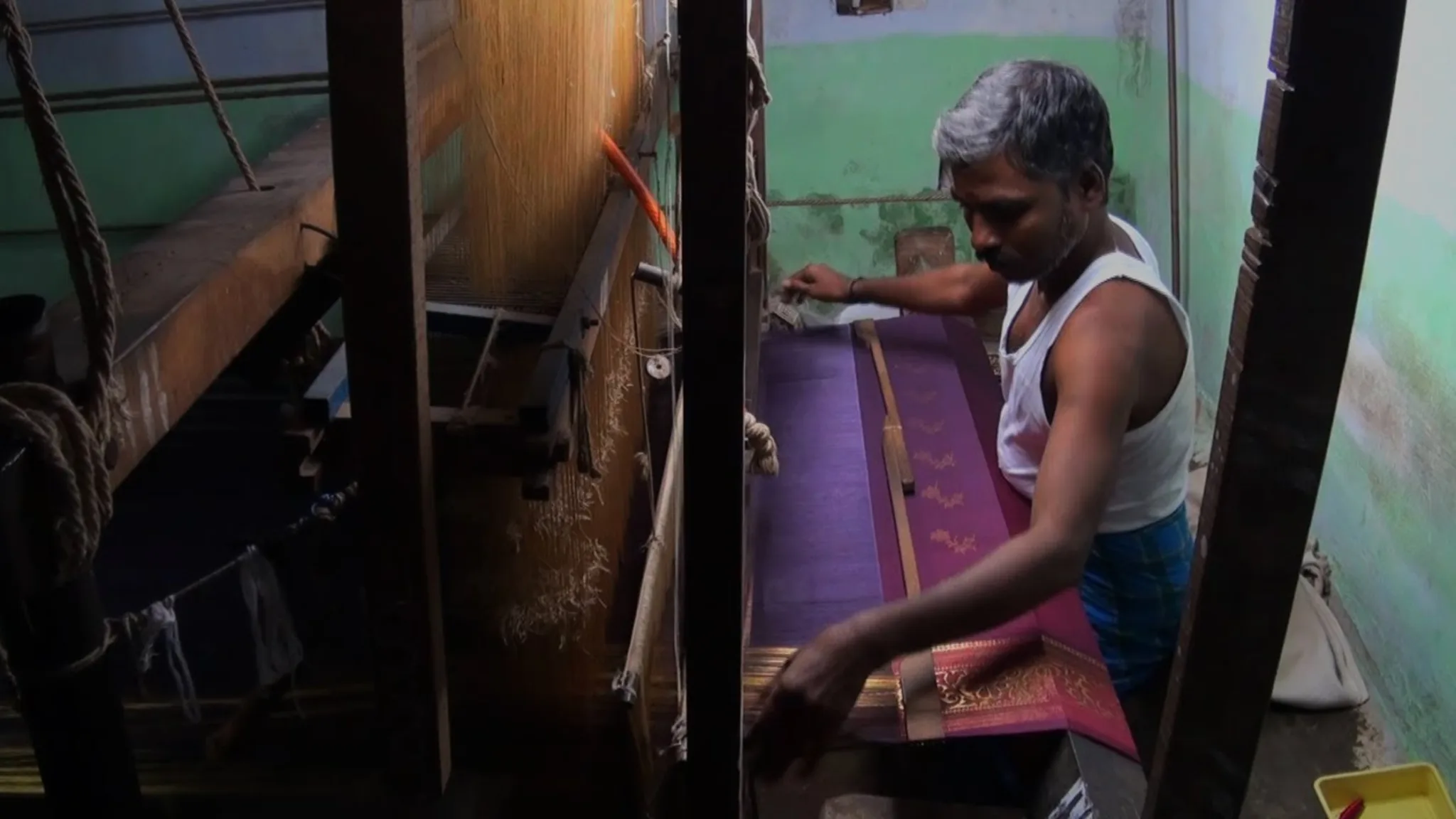
Varanasi remains the heart of authentic Banarasi saree production. Buying directly from the source ensures:
- Genuine handloom products
- Better price transparency
- Wider variety of designs
- Direct support to local weavers
Whether you are a first-time buyer or a seasoned collector, visiting a reputed Banarasi saree showroom in Varanasi gives you access to original designs you may not find elsewhere.
How New Shoppers Can Identify a Genuine Banarasi Saree
If you’re new to Banarasi sarees, keep these tips in mind:
- Check the reverse side for floating threads (a handloom sign)
- Look for GI (Geographical Indication) tags
- Feel the fabric—pure silk feels soft yet firm
- Buy from trusted and established sellers
Brands like JDS Banaras are known for offering authentic, handcrafted Banarasi sarees while maintaining traditional weaving standards.
Modern Designs for Today’s Generation
While Banarasi sarees are deeply traditional, they have evolved with time. Today’s collections include:
- Lightweight Banarasi sarees for daily or festive wear
- Pastel shades and contemporary colour palettes
- Fusion designs for younger buyers
- Celebrity-inspired patterns
This balance of tradition and modernity keeps Banarasi sarees relevant across generations. Many shoppers now prefer curated collections from reliable names such as JDS Banaras for both classic and contemporary styles.
A Saree That Never Goes Out of Style
Fashion trends change, but Banarasi sarees remain timeless. Their elegance, durability, and cultural value ensure they are always in demand—locally and globally. From Indian households to international fashion runways, Banarasi sarees continue to shine.
If you’re planning your first purchase, choosing a trusted Banarasi saree shop in Varanasi is the best way to begin your journey into this rich heritage.
FAQs
1. Why are Banarasi sarees so famous in India?
Banarasi sarees are famous because of their rich silk fabric, intricate handloom weaving, and real zari work. They represent centuries of craftsmanship from Varanasi and are considered symbols of luxury and tradition.
2. What makes Banarasi sarees different from other silk sarees?
Banarasi sarees stand out due to their heavy brocade work, Mughal-inspired motifs, and handwoven techniques. Unlike many silk sarees, they often feature gold or silver zari and detailed pallus.
3. Are Banarasi sarees always handwoven?
Yes, authentic Banarasi sarees are traditionally handwoven on looms in Varanasi. The weaving process can take weeks or even months, depending on the design complexity.
4. Why are Banarasi sarees expensive?
Banarasi sarees are expensive because they use pure silk, detailed zari work, and skilled handloom craftsmanship. Each saree requires significant time, effort, and artisan expertise.
5. Which Banarasi saree is best for weddings?
Pure Katan silk and heavy Butidar Banarasi sarees are considered the best for weddings due to their rich texture, grand look, and traditional appeal.
6. How can beginners identify a genuine Banarasi saree?
Beginners can identify genuine Banarasi sarees by checking for handloom weaving marks, floating threads on the reverse side, silk zari feel, and purchasing from trusted sellers in Varanasi.
7. Is it better to buy Banarasi sarees from Varanasi?
Yes, buying directly from Varanasi ensures authenticity, better pricing, wider variety, and direct support to local weavers who create original Banarasi sarees.
8. Are Banarasi sarees suitable for modern and young women?
Absolutely. Today’s Banarasi sarees come in lightweight fabrics, pastel shades, minimal zari work, and contemporary designs, making them ideal for modern and younger buyers.
9. How long does a Banarasi saree last?
With proper care, a pure Banarasi silk saree can last for decades and is often passed down as a family heirloom.
10. Can Banarasi sarees be worn for occasions other than weddings?
Yes, Banarasi sarees are perfect for festivals, receptions, engagements, parties, and even formal events, depending on the fabric and design chosen.