Introduction
So you want to sell Banarasi sarees — maybe you’re opening a boutique, maybe you’re already running one and want better suppliers, or maybe you’re an online seller trying to break into ethnic wear. Whatever your situation, the supplier you choose will make or break things for you. I’m not exaggerating.
Varanasi is where it all begins. This city has been weaving Banarasi sarees for centuries, and today you’ll find hundreds of manufacturers, wholesalers, traders, and showrooms scattered across its lanes and markets. Sounds great, right? Plenty of options. But here’s the problem — how do you actually tell apart a genuinely trusted Banarasi saree wholesalers in Varanasi from someone who just talks a good game?
A lot of first-time buyers walk into Varanasi thinking every shop is a manufacturer. Or they chase the lowest price, assuming cheaper always means better margin. Neither is true. The Banarasi textile world is layered — some sellers weave their own sarees on handlooms, some get them woven through artisan networks, some buy from multiple weaving units and resell, and some deal primarily in powerloom or machine-made products. If you don’t understand these differences upfront, you’ll end up with quality issues, inconsistent stock, and unhappy customers down the line.
This guide is meant to help you navigate all of that. We’ll walk through the main wholesale markets in Varanasi, explain the difference between buying from a manufacturer versus a trader, cover what you should be asking before placing your first order, and share a few things we’ve learnt from being in this industry ourselves.
Related guide – Why Customers Trust JDS Banaras: The Heritage, Craftsmanship & Expertise Behind Every Banarasi Saree
Why Choosing the Right Banarasi Saree Wholesaler in Varanasi Matters
Let’s get something straight — finding a wholesale supplier isn’t just a pricing exercise. The wholesaler you work with essentially becomes your business partner. They influence what your customers receive, how consistent your inventory looks, and whether you can fulfil repeat orders without surprises.
A good Banarasi saree wholesaler doesn’t just sell you sarees. They understand their craft — the fabrics, the weaving techniques, why one piece costs ₹8,000 and another costs ₹80,000. They’re honest about what’s handloom and what’s not. They deliver when they say they will. And when you call them six months later needing something similar to what you bought last time, they can actually make it happen.
Pick the wrong one, though, and you’ll quickly run into headaches:
- The quality changes from one batch to the next and your customers notice.
- The seller can’t really explain what weaving technique was used or what the fabric actually is.
- You ask about Silk Mark certification or GI tags and get vague answers.
- You try to reorder a design that sold well and they tell you it’s “not available anymore.”
- Production keeps getting delayed, and your seasonal collection misses the season.
Before you start comparing prices, spend some time understanding who is actually making the sarees you’re buying, how they’re being made, and whether the supplier has a real track record in this industry. Reliability, in our experience, always beats a cheap price when you’re building a business for the long run.
Popular Areas to Find Banarasi Saree Wholesalers in Varanasi
Varanasi has been India’s undisputed hub for Banarasi textiles for as long as anyone can remember. Over the years, different neighbourhoods have built their own reputations — some as old trading centres, some as modern wholesale destinations. But here’s something worth knowing: no single market is a guarantee of authenticity. Every area has a mix of genuine manufacturers, middlemen, and everyone in between.
So rather than picking a location and hoping for the best, focus on evaluating the actual supplier — their experience, their products, their transparency, and their reputation in the trade.
That said, here are the areas you should know about.
Godowlia
Godowlia is the first place most visitors end up. It’s one of the busiest commercial areas in Varanasi, packed with textile shops of every kind — from fancy retail showrooms to businesses that handle wholesale.
You’ll find everything here — machine-made sarees at lower price points sitting right next to authentic handloom pieces. It’s a useful market for getting a feel of what’s trending and comparing designs across different price segments. But if you’re planning to place a large wholesale order, take the time to verify where the products are actually coming from. Not everything sold in Godowlia is manufactured in Godowlia.
Chowk
Chowk sits right in the middle of old Banaras, and it has been a textile trading area for generations. If Varanasi’s saree industry has a historical heart, this is it.
You’ll find long-standing family businesses here — many of them have been in the trade for three or four generations. The narrow lanes can be a bit overwhelming if you’re visiting for the first time, but the area is home to some genuinely authentic Banarasi silk collections. If heritage craftsmanship and traditional weaving styles matter to you, Chowk is worth exploring.
Thatheri Bazaar
Thatheri Bazaar is another old commercial area with deep ties to Varanasi’s trading community. Several textile businesses and wholesale suppliers operate from here, offering Banarasi sarees wholesalers in varanasi across different price ranges and styles.
Like every wholesale market, the quality and capability of suppliers varies. Some are genuine manufacturers with their own weaving setups, others are traders sourcing from elsewhere. Walking into multiple shops and asking the right questions — about sourcing, about the weaving process, about certifications — goes a long way here.
Rathyatra
Rathyatra feels different from the older markets. The roads are wider, the showrooms are bigger, and the whole experience is a bit more organised. A number of well-known Banarasi brands and manufacturers have set up shop here over the years, which makes it a comfortable starting point for buyers visiting Varanasi for the first time.
If you want to sit down with a manufacturer, browse through collections without the chaos of narrow lanes, and have a structured conversation about wholesale sourcing, Rathyatra is a good bet.
Related guide – Why Are Tissue Silk Sarees So Expensive? Understanding Their True Value
So Which Wholesale Market is Best?
Honestly? There isn’t one. The “best” market depends entirely on what you’re looking for. Some buyers want traditional handloom sarees and gravitate towards the older markets. Others want contemporary designs, lower MOQs, or custom manufacturing — and they end up at Rathyatra or directly with a specific manufacturer regardless of where they’re located.
What matters more than the market is the supplier. Evaluate them on:
- Whether they actually manufacture or simply trade.
- How many years they’ve been in the business.
- Whether they carry genuine handloom collections.
- How transparent they are about Silk Mark certification and GI tagging.
- Whether they can deliver consistent quality when you come back for repeat orders.
- How flexible they are with custom manufacturing or specific business requirements.
A lot of retailers we know started by exploring multiple markets and eventually settled on working directly with one or two manufacturers they trust. That pattern repeats itself more often than you’d think.
Should You Buy from a Banarasi Saree Manufacturer or a Wholesale Trader?
Here’s something that trips up a lot of new buyers — not every wholesale seller in Varanasi is a manufacturer. It seems obvious when you say it out loud, but when you’re walking through a market and every shop is calling itself “direct from loom,” the lines blur quickly.
Let’s break down the difference so you can figure out which option works better for your business.
Buying Directly from a Manufacturer
A Banarasi saree manufacturer is someone who’s actually involved in the production side — either running their own weaving units or working closely with a network of artisans who weave for them. Because they control production, they tend to offer better consistency and more flexibility.
This route works well for:
- Boutique owners who need a specific look or quality level.
- Multi-store retailers who can’t afford quality fluctuations between orders.
- Fashion brands building their own curated collections.
- Exporters who need documentation, certifications, and consistent specs.
- Anyone planning regular wholesale purchases over months and years.
When you buy from a manufacturer, you get a few practical advantages that aren’t always obvious at first:
- They actually understand what goes into each saree — the yarn, the weave, the zari — and can explain why things cost what they cost.
- If you order 50 sarees today and 50 more next quarter, the quality stays the same because the production process hasn’t changed.
- You can ask for custom designs, specific colour combinations, particular fabrics or weaving techniques — and they can actually execute it.
- Seasonal planning becomes easier because you’re working with someone who controls the production timeline.
- Communication is direct. There’s no middleman translating your requirements and losing something along the way.
For businesses thinking long-term, a manufacturer often becomes less of a supplier and more of a partner. That distinction matters.
Related guide – Where to Buy Banarasi Saree in Varanasi? Best Stores, Places and Market
Buying from a Wholesale Trader
Traders work differently. They source sarees from various manufacturers and weaving units, then offer them to retailers from a single location. Their strength is variety — you can walk into one trader’s shop and see products from five or six different weaving sources, all under one roof.
This makes sense if you:
- Need stock immediately and can’t wait for production cycles.
- Want to buy a mixed assortment of styles and don’t need everything from one source.
- Are testing the market and not yet sure which styles will sell best.
- Prefer smaller, assorted purchases across different design categories.
The trade-off? Because products come from different sources, the weaving style, fabric hand-feel, finishing quality, or even the shade of a similar colour can vary between pieces. And if a particular design sells well, the trader may not always be able to source the exact same one again — because they didn’t make it in the first place.
That doesn’t mean traders are unreliable. Many of them have been in business for decades and have built strong reputations. The point is simply to understand how they operate so your expectations are set correctly.
Which Option is Better?
It depends on you and your business.
If you need ready stock and variety right now, a trusted wholesale trader can absolutely get the job done.
If you’re building something for the long haul and care about consistent quality, authentic craftsmanship, customisation, and a supplier who really knows their product, then going directly to a manufacturer usually makes more sense.
In practice, a lot of successful retailers start with traders while they’re figuring out their market, then gradually shift to working with one or two manufacturers once they know exactly what their customers want. It’s a natural progression.
Why Many Retailers Choose Heritage Manufacturers Like JDS Banaras
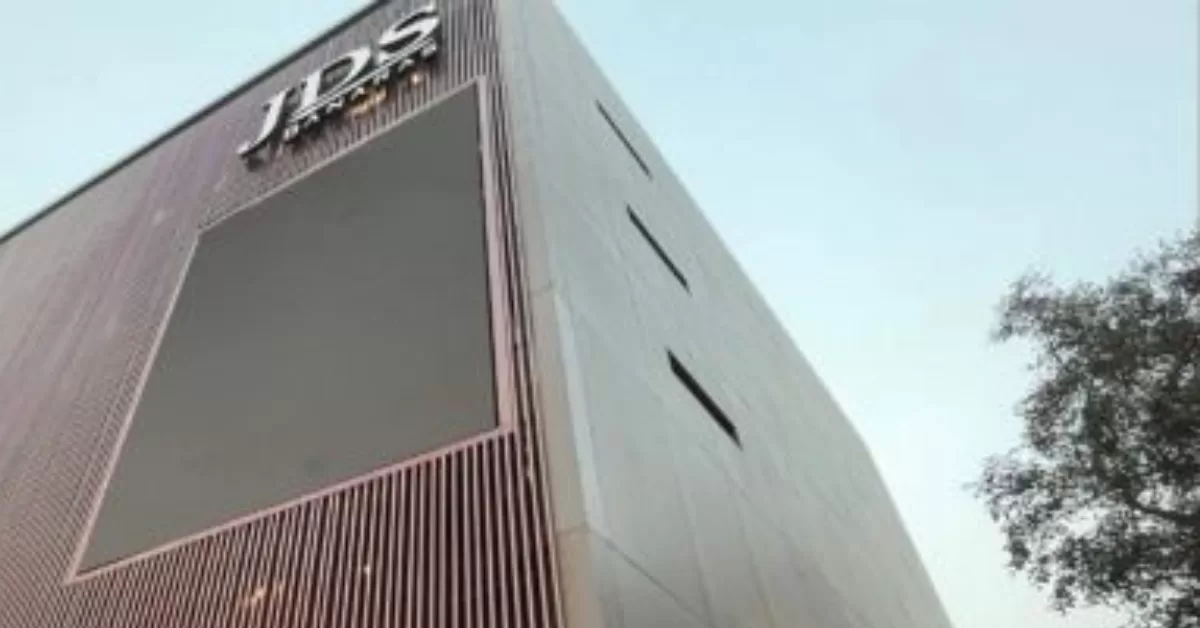
When businesses move past short-term transactions and start thinking about who they want to partner with for years, experience and heritage tend to matter a lot.
JDS Banaras has been in this industry since 1913. That’s over a century of weaving, supplying, and preserving Banarasi craftsmanship across four generations. We work with retailers, boutiques, designers, exporters, and saree businesses both across India and internationally.
As both a Banarasi saree manufacturer and wholesaler, we give buyers the advantage of sourcing directly from a heritage textile house — one that actually understands the weaving process from start to finish. Whether it’s classic handloom weaves, intricate Kadwa work, Meenakari, Rangkat, or heavy bridal collections, every saree that leaves our workshop carries the weight of generations of weaving knowledge and quality standards.
Here’s what businesses typically value when they work with us:
- Authentic Banarasi handloom collections — not labelled, but genuinely handwoven.
- Honest, straightforward guidance on fabrics and weaving techniques. We’ll tell you if something is Katan or Georgette, Kadhua or Phekwa, and what the difference actually means for the end customer.
- Silk Mark-certified collections where applicable.
- GI-tagged Banarasi products with proper documentation.
- Flexibility for wholesale orders and custom manufacturing based on your specific needs.
- Consistent product quality — because we’ve been doing this long enough to know that consistency is what brings buyers back.
Whether you’re just starting a boutique or growing an established saree business, there’s a real difference between buying from someone who simply has stock and buying from someone who truly understands what they’re selling.
Explore our dedicated Banarasi Saree Manufacturer and Banarasi Saree Wholesaler pages to learn more about our manufacturing capabilities and wholesale services.
Can You Buy Banarasi Sarees Wholesale in Small Quantities?

This is one of those questions we hear all the time, especially from newer entrepreneurs — “Do I need to buy 200 sarees to get wholesale pricing? Do I need to spend lakhs on my first order?”
The short answer: no, not necessarily.
The minimum order quantity varies from supplier to supplier. Some traditional wholesalers do have large MOQs, but many manufacturers today — including us — understand that not every buyer starts big. Boutique owners, online sellers, Instagram businesses, and fashion startups often begin with smaller collections and grow from there. That’s perfectly normal, and a good supplier should be able to work with you at that stage.
How flexible a supplier can be usually depends on a few things:
- What kind of sarees you’re looking at and what weaving technique is involved.
- Whether you’re buying from ready stock or getting something custom-made.
- The level of customisation you need — custom colours, motifs, or fabrics take more planning.
- Realistic production timelines.
- The supplier’s own wholesale policies.
If you’re just getting started, the best thing you can do is be upfront about where you are. Tell the supplier your budget, your target customer, and what you’re trying to build. An experienced wholesale partner won’t turn you away — they’ll help you put together a collection that makes sense for your current stage while leaving room to scale.
And once you’ve established a relationship and the orders start growing, inventory planning becomes much smoother because your supplier already knows your preferences, your price points, and what works for your market.
Tips Before Placing Your First Wholesale Order
Whether you’re buying 20 sarees or 500, the questions you ask upfront can save you from a lot of trouble later. Think of your first order as a test — not just of the product, but of the supplier’s professionalism and reliability.
Before you finalise a Banarasi saree wholesaler, make sure you’ve had an honest conversation about these things:
✔ Are the sarees handloom, powerloom, or a mix of both? Don’t assume — ask directly. A trustworthy supplier won’t get defensive about this question.
✔ Does the supplier manufacture the sarees themselves, or are they sourcing from other weaving units? Both are valid, but you should know which one you’re dealing with.
✔ Are Silk Mark-certified or GI-tagged Banarasi sarees available? If authenticity matters to your customers (and it should), this is non-negotiable.
✔ What are the wholesale price ranges and minimum order quantities? Get specific numbers. Vague answers like “depends on what you pick” aren’t helpful.
✔ Can designs or colour combinations be customised for bulk orders? If your brand has a specific aesthetic, you need a supplier who can accommodate that.
✔ What are the expected production and delivery timelines? Especially important for seasonal or wedding-season collections where timing is everything.
✔ Will similar designs be available for repeat orders? If a saree sells well, you need to know whether you can get more of it — or something close enough.
✔ Does the supplier provide after-sales support? Returns, exchanges, quality issues — how does the supplier handle them?
These aren’t just checklist items. The way a supplier responds to these questions tells you a lot about how they run their business. Someone who answers everything openly and doesn’t dodge the hard questions is usually someone you can work with long-term.
And one last thing — don’t pick a wholesaler based only on who gives you the cheapest price. The lowest price today can easily turn into the highest cost later if the quality is off, deliveries are late, or your customers start complaining. Reliability, authenticity, consistency, and transparency — these are what actually determine whether your saree business succeeds over time.
Conclusion
Finding the right Banarasi saree wholesaler isn’t about hunting for the cheapest deal — it’s about finding someone you can actually rely on. Product authenticity, weaving expertise, consistent quality, and dependable service — all of these things matter far more than saving a few hundred rupees per piece.
Varanasi gives you plenty of options. You can explore Godowlia, Chowk, Thatheri Bazaar, Rathyatra, or go directly to a manufacturer. Whichever route you take, spend the time to understand who you’re working with — their experience, their manufacturing setup, their track record with other buyers.
If you’re in this for the long haul, heritage manufacturers tend to give you something that’s hard to find elsewhere — transparency, deep product knowledge, and the kind of consistency that comes only from decades of doing the same thing well.
At JDS Banaras, we’ve been at this since 1913. We work directly with skilled artisans, we know our craft inside out, and we’ve built relationships with retailers, boutiques, designers, and wholesale buyers across India and around the world that have lasted years — in many cases, generations.
If you’re planning to source authentic Banarasi sarees for your business, take a look at our Banarasi Saree Wholesaler, Banarasi Saree Manufacturer, and Best Banarasi Saree Shop in Varanasi pages to learn more about what we offer.
Frequently Asked Questions (FAQs)