Introduction
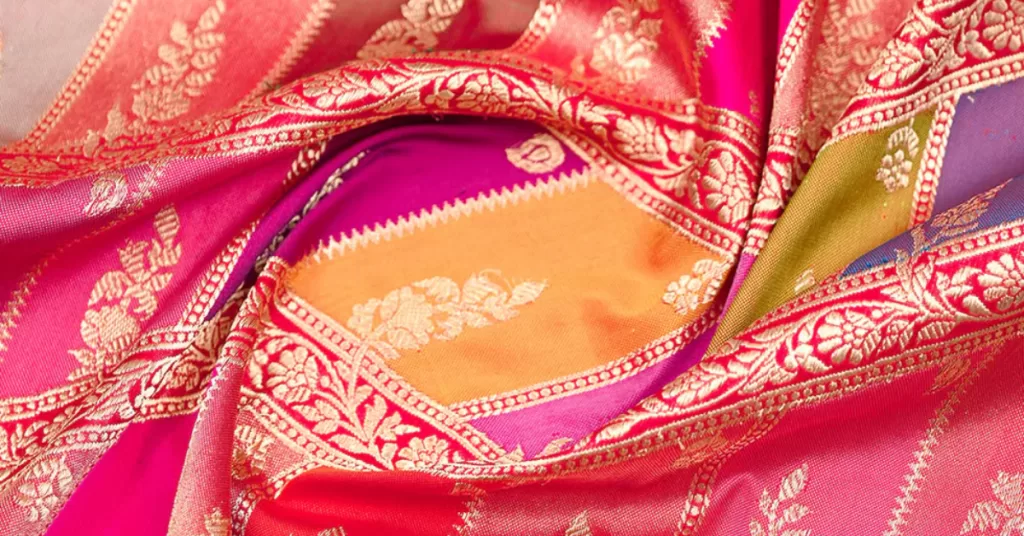
Among the many weaving traditions that originated in Banaras, few are as visually captivating and technically demanding as the Rangkat Banarasi Saree. Celebrated for its vibrant colour transitions, intricate craftsmanship, and artistic excellence, Rangkat is regarded as one of the finest expressions of Banarasi handloom weaving.
Unlike conventional Banarasi sarees that usually feature a single dominant base colour, a Rangkat Banarasi Saree beautifully blends multiple colours into one harmonious composition. Achieving these seamless transitions requires exceptional planning, weaving precision, and years of artisan experience.
At JDS Banaras, our family has worked closely with Banarasi weavers for over a century. Through generations of manufacturing and preserving authentic Banarasi textiles, we have witnessed why Rangkat continues to be recognised as one of the rarest and most admired creations in Banarasi craftsmanship.
Whether you’re a bride searching for your wedding saree, a handloom enthusiast, or someone researching before making an investment, this guide explains everything you need to know about the Rangkat Banarasi Saree—from its origin and weaving process to fabrics, pricing, authenticity, and buying advice.
Rangkat Banarasi Saree at a Glance
| Feature | Details |
| Origin | Banaras (Present-day Varanasi), Uttar Pradesh |
| Category | Banarasi Handloom Saree |
| Known For | Vibrant multi-colour weaving and artistic craftsmanship |
| Weaving Methods | Kadwa, Cutwork and Machine-produced Rangkat designs |
| Popular Fabrics | Katan Silk, Organza, Tissue, Georgette and other Banarasi fabrics |
| Best For | Bridal wear, weddings, festive occasions and collectors |
| Production Time | From a few days (machine) to several months (handwoven Kadwa), depending on complexity |
| Price Range | Varies according to weaving technique, fabric, zari quality and craftsmanship |
What is a Rangkat Banarasi Saree?
A Rangkat Banarasi Saree is a distinctive style of Banarasi weaving recognised for its harmonious blend of multiple colours across a single saree. Rather than relying on one dominant shade, Rangkat creates graceful colour transitions that give the fabric remarkable depth, richness, and visual movement.
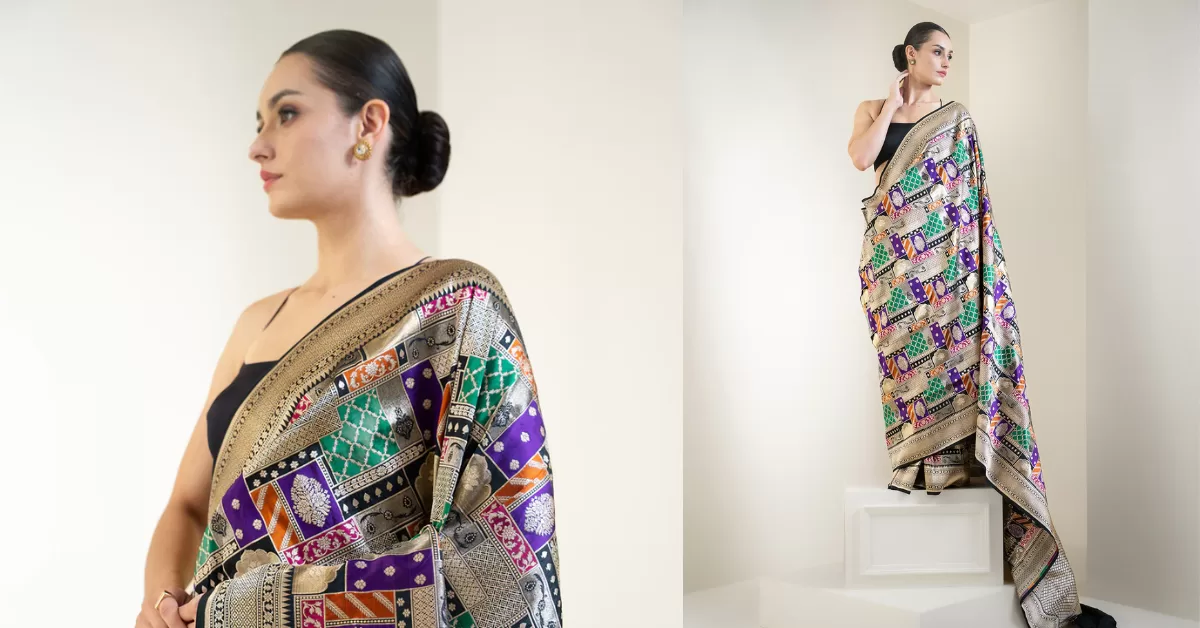
Many people assume Rangkat is a fabric or an independent weaving technique. In reality, it is a specialised weaving style that can be created using different weaving methods.
Today, Rangkat sarees are commonly produced using:
- Kadwa weaving – the most intricate and prestigious form of Rangkat craftsmanship.
- Cutwork weaving – offering similar visual beauty with a comparatively faster weaving process.
- Machine weaving – making Rangkat-inspired designs more affordable while differing significantly in craftsmanship and artistic value.
Expert Insight
From our experience as Banarasi saree manufacturers, what truly defines an authentic Rangkat is not simply the use of multiple colours, but the precision with which every colour transition is planned and woven into the fabric. This careful balance is what transforms a beautiful saree into a true work of Banarasi art.
Where Did the Rangkat Banarasi Saree Originate?
The Rangkat Banarasi Saree originated in Banaras (present-day Varanasi), one of India’s oldest and most celebrated centres of silk weaving.
While no definitive historical record identifies the exact period when Rangkat weaving first emerged, experienced Banarasi weavers and long-established textile families generally believe the style evolved between the 14th and 16th centuries, during the flourishing growth of Banaras’ weaving traditions.
Over the centuries, Rangkat became one of the most technically demanding artistic expressions within Banarasi weaving. Alongside celebrated traditions such as Kadwa, Jangla, Tanchoi and Meenakari, it earned a reputation for its extraordinary colour planning and intricate craftsmanship.
Today, Rangkat continues to be appreciated by brides, collectors, designers and textile connoisseurs as one of the rarest and most admired Banarasi weaving styles.
“Note: While the exact historical timeline of Rangkat is not formally documented in textile literature, its association with Banaras and its long-standing recognition among experienced weavers and heritage textile families remain widely acknowledged within the Banarasi weaving tradition.”
Why is it Called a Rangkat Banarasi Saree?
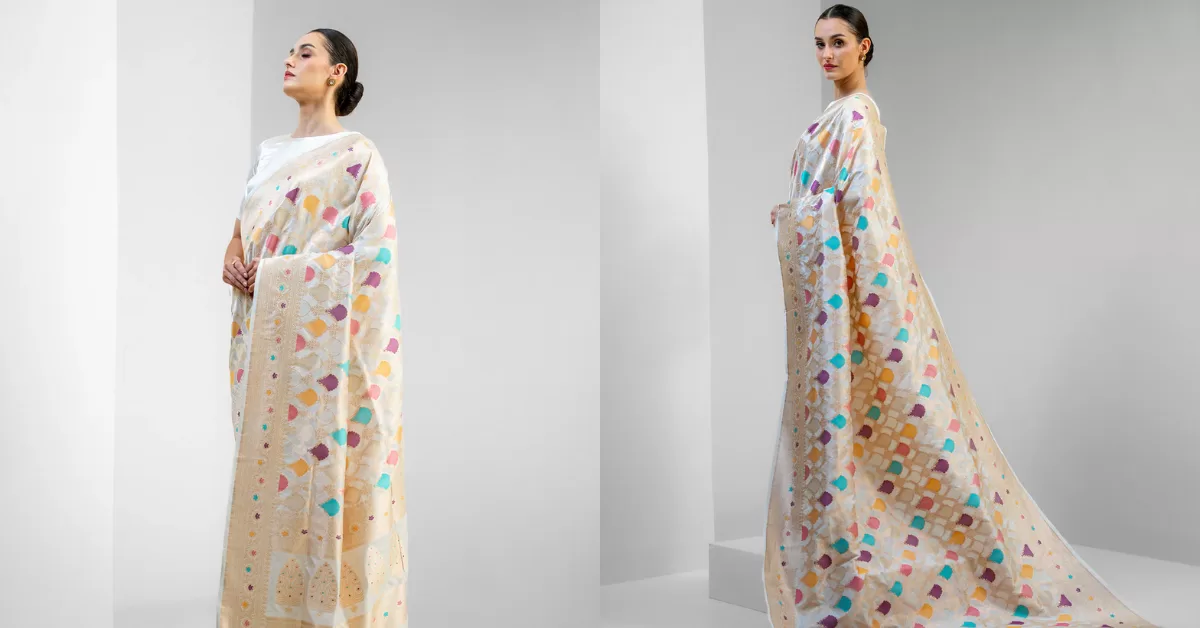
The word Rangkat is widely understood within the Banarasi weaving tradition to describe a saree distinguished by its harmonious blend of multiple colours. Rather than displaying one uniform base colour, a Rangkat saree showcases carefully planned colour transitions that flow naturally across the fabric, creating exceptional depth and visual richness.
The name itself reflects the essence of the weave—where colours are thoughtfully arranged and woven together instead of appearing as separate blocks. This meticulous planning is what gives a Rangkat Banarasi Saree its distinctive artistic identity.
Unlike printed or dyed colour variations, these transitions are created during the weaving process itself. Every colour has to be planned before weaving begins, making the process significantly more demanding than conventional Banarasi weaving.
Expert Insight
At JDS Banaras, we often explain to customers that the beauty of a Rangkat saree doesn’t come from simply using many colours—it comes from how beautifully those colours are woven together. A well-crafted Rangkat should feel balanced and effortless, even though achieving that harmony requires tremendous planning and weaving expertise.
How is a Rangkat Banarasi Saree Made?
Creating a Rangkat Banarasi Saree is a highly specialised process that combines artistic vision with generations of weaving expertise. While the exact workflow may vary depending on the design and weaving technique, the overall journey follows several carefully planned stages.
1. Design & Colour Planning
Every Rangkat saree begins with a design concept.
Before a single thread is placed on the loom, master designers determine how different colours will interact across the saree. Unlike many other Banarasi designs, where motifs are the primary focus, Rangkat demands equal attention to both motifs and colour composition.
This planning stage often takes considerable time because even a small imbalance in colour placement can change the overall appearance of the saree.
2. Preparing the Warp and Weft
Once the design is finalised, the silk yarns are prepared for weaving.
The warp (vertical threads) and weft (horizontal threads) are carefully selected according to the intended colour arrangement. Every colour transition must already be planned at this stage, leaving very little room for correction once weaving begins.
This preparation plays a crucial role in achieving the seamless colour flow that defines a genuine Rangkat Banarasi Saree.
3. The Weaving Process
After the loom is prepared, skilled artisans begin weaving the saree.
Depending on the chosen weaving method—Kadwa, Cutwork, or machine production—the weaving process differs considerably in terms of complexity, labour, and time.
For intricate handwoven Rangkat sarees, artisans must maintain exceptional precision throughout the weaving process. Every section of colour, every motif, and every weave must remain perfectly aligned to preserve the overall harmony of the design.
4. Finishing the Saree
Once weaving is complete, the saree undergoes careful inspection and finishing.
Loose threads are trimmed, the weave is examined for consistency, and the saree is prepared for presentation. At this stage, the final richness of the colours and the overall craftsmanship become fully visible.
Key Takeaway
A Rangkat Banarasi Saree is not created simply by weaving colourful silk together. It is the result of careful planning, technical precision, and countless hours of skilled craftsmanship—qualities that make authentic handwoven Rangkat sarees highly valued across generations.
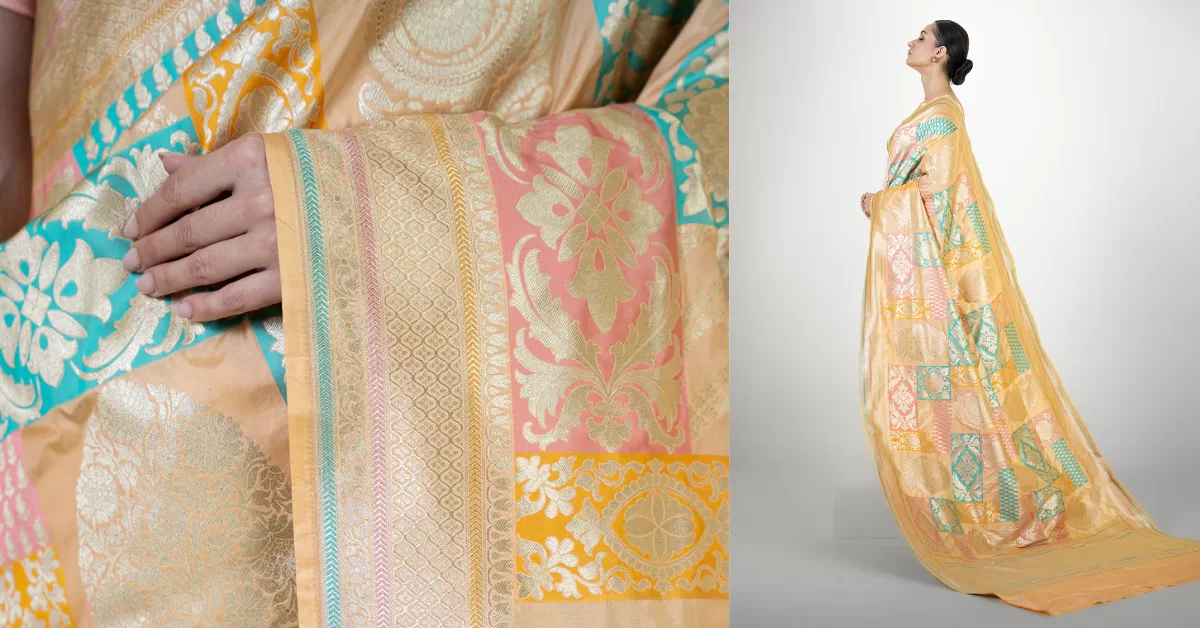
Kadwa vs Cutwork vs Machine-Made Rangkat Banarasi Sarees
One of the most common questions customers ask is whether every Rangkat Banarasi Saree is woven using the same technique.
The answer is no.
While the visual style of Rangkat can be achieved through different weaving methods, the craftsmanship, production time, durability, and value vary significantly.
| Feature | Kadwa Rangkat | Cutwork Rangkat | Machine-Made Rangkat |
| Weaving Method | Individual motifs woven by hand | Motifs created using the cutwork weaving technique | Produced using power looms or machine-assisted weaving |
| Craftsmanship | Highest | High | Standard |
| Production Time | Several months for intricate designs | Comparatively faster | A few days to a few weeks |
| Artistic Detail | Exceptional | Excellent | Limited by machine production |
| Price | Premium | Mid-range | More affordable |
| Best For | Bridal wear, collectors and heirloom purchases | Weddings, festive occasions and premium everyday luxury | Budget-conscious buyers seeking the Rangkat look |
Which One Should You Choose?
There is no single “best” choice—it depends entirely on your expectations, budget, and purpose.
If you’re investing in a once-in-a-lifetime bridal saree or looking for an heirloom piece that celebrates the highest level of Banarasi craftsmanship, Kadwa Rangkat remains the most prestigious option.
If you appreciate the beauty of Rangkat but prefer a more accessible price point, Cutwork Rangkat offers an excellent balance between artistry and affordability.
Machine-made Rangkat sarees also have their place in today’s market. They make Rangkat-inspired designs accessible to a wider audience, although they cannot replicate the intricacy, individuality, or artistic value of an authentic handwoven Banarasi weave.
Expert Insight
One of the biggest misconceptions we encounter is that every colourful Rangkat saree is woven the same way. In reality, the weaving technique has a profound impact on the saree’s craftsmanship, production time, durability, and value. Understanding these differences helps buyers choose a saree that truly matches their expectations rather than making a decision based solely on appearance.
Why is a Rangkat Banarasi Saree Considered One of Banaras’ Greatest Masterpieces?
Banaras has given the world numerous extraordinary weaving traditions, including Kadwa, Jangla, Tanchoi, Meenakari, Jamdani, and Tissue Banarasi Sarees. Among these, the Rangkat Banarasi Saree holds a unique place because it combines artistic colour composition with highly skilled weaving.
Unlike many Banarasi sarees where the beauty lies primarily in intricate motifs or zari work, Rangkat demands mastery over both colour planning and weaving precision. Every shade must transition naturally into the next while maintaining perfect balance across the saree. This is what gives a genuine Rangkat its distinctive visual depth and elegance.
Creating this harmony is far more challenging than it appears. A small variation in colour placement or weaving precision can alter the entire composition, which is why experienced artisans spend years mastering this style.
As fewer artisans continue practising these highly specialised techniques, authentic handwoven Rangkat Banarasi Sarees have become increasingly rare. Today, they are appreciated not only as garments but also as examples of India’s rich textile heritage and artistic craftsmanship.
Expert Insight
At JDS Banaras, we believe a masterpiece is not defined by its price—it is defined by the skill required to create it. Rangkat represents one of those rare weaving traditions where months of planning, patience, and craftsmanship come together in a single saree.
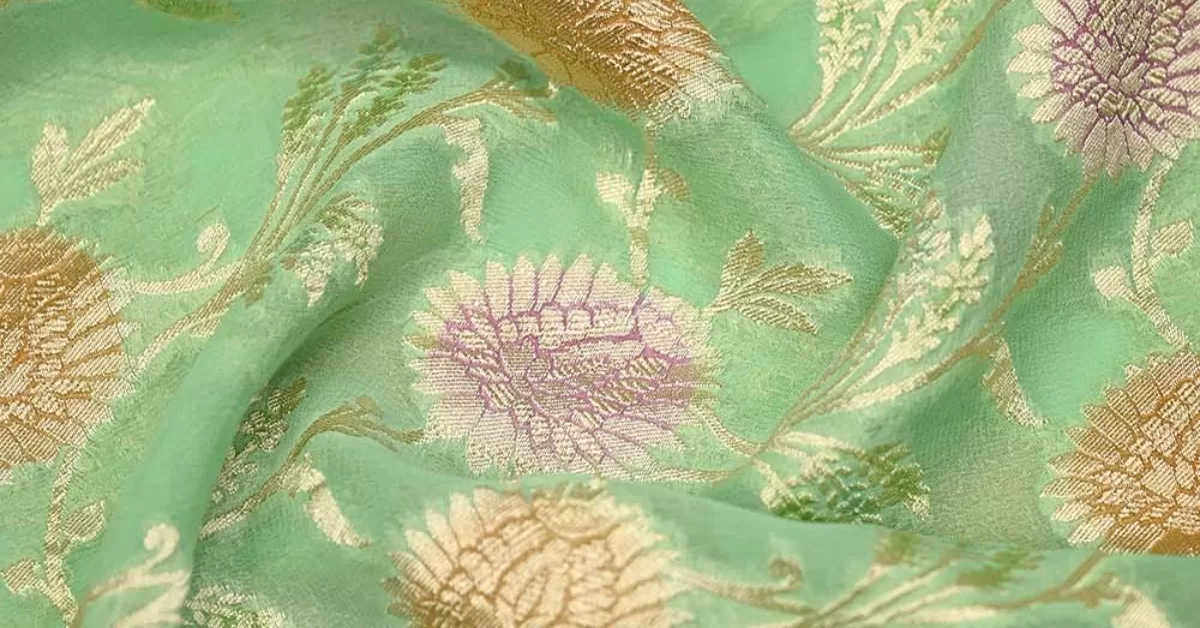
Why Are Rangkat Banarasi Sarees So Expensive?
One of the most common questions buyers ask is:
“Why does one Rangkat Banarasi Saree cost significantly more than another?”
The answer lies in the craftsmanship behind the saree rather than its appearance alone.
Several factors determine the value of a Rangkat Banarasi Saree.
1. Intricate Colour Planning
Unlike ordinary Banarasi sarees, a Rangkat requires meticulous planning before weaving even begins.
Every colour transition is carefully mapped to ensure the final saree appears balanced and harmonious. This planning demands both artistic vision and technical expertise.
2. Skilled Handloom Weaving
Authentic handwoven Rangkat sarees require experienced artisans who have spent years learning Banarasi weaving.
Whether woven using the Kadwa or Cutwork technique, every stage demands precision that machines cannot fully replicate.
3. Premium Silk and Zari
The quality of raw materials has a direct impact on both appearance and durability.
Factors such as:
- Silk quality
- Zari quality
- Dyeing standards
- Yarn preparation
all influence the final value of the saree.
4. Time Required to Weave
One of the biggest contributors to price is the time invested by skilled artisans.
An intricate Kadwa Rangkat Banarasi Saree may require several months of weaving, depending on its complexity. Even comparatively simpler handwoven Rangkat sarees involve weeks of careful craftsmanship before they are completed.
5. Limited Production
Unlike mass-produced textiles, authentic handwoven Rangkat sarees cannot be manufactured in large quantities.
Each saree represents the work of skilled artisans whose production capacity is naturally limited by the complexity of the craft.
This rarity further contributes to their long-term value.
6. Heritage Craftsmanship
A Rangkat saree is not simply a product.
It represents generations of weaving knowledge passed from one artisan to another.
When customers invest in an authentic handwoven Rangkat, they are also helping preserve one of Banaras’ oldest and most respected weaving traditions.
Key Takeaway
The value of a Rangkat Banarasi Saree is determined by far more than its colours or design. The weaving technique, artisan expertise, silk quality, production time, and the rarity of the craftsmanship all contribute to its price.
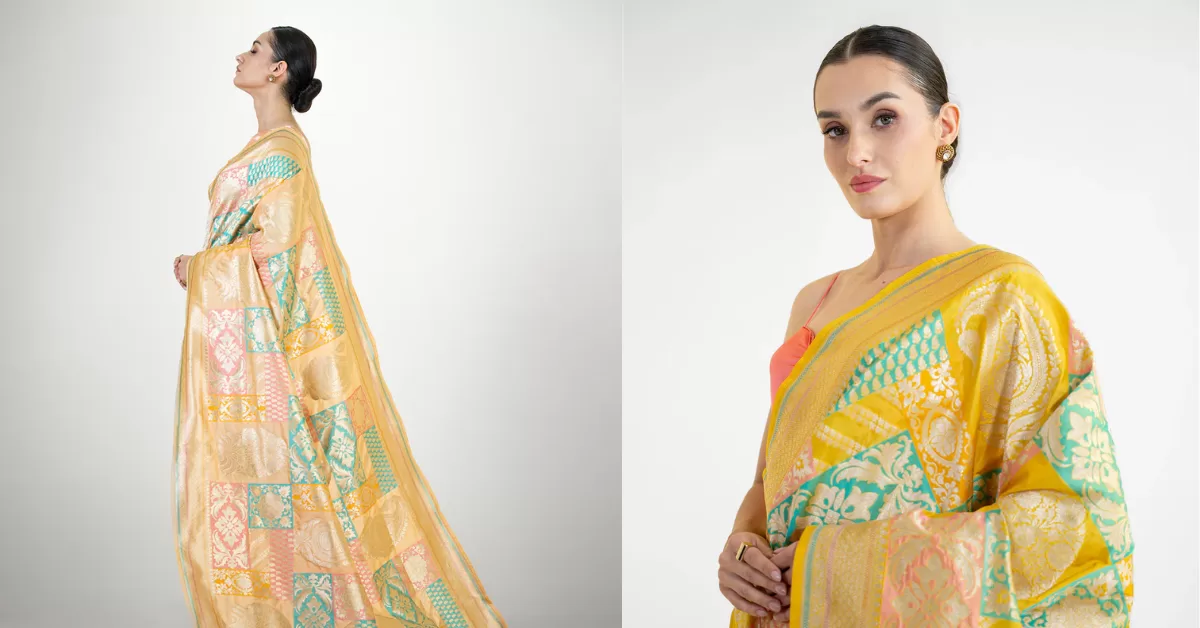
Which Fabrics Are Used to Make a Rangkat Banarasi Saree?
One of the biggest misconceptions is that Rangkat is available in only one type of silk.
In reality, Rangkat is a weaving style, which means it can be created on several traditional Banarasi fabrics. Each fabric offers a different drape, texture, and overall appearance.
Choosing the right fabric depends on the occasion, personal style, and the look you want to achieve.
Katan Silk Rangkat
Katan Silk is widely regarded as the most prestigious choice for a Rangkat Banarasi Saree.
Its rich texture, natural sheen, and structured drape allow the intricate colour transitions and weaving details to stand out beautifully. This is why many brides choose Katan Silk Rangkat for weddings and heirloom collections.
Organza Rangkat
Organza Rangkat sarees are appreciated for their lightweight feel and graceful transparency.
They offer an elegant balance between traditional craftsmanship and contemporary styling, making them a popular choice for receptions, festive occasions, and sophisticated celebrations.
Tissue Rangkat
Tissue Rangkat sarees are known for their luminous finish and luxurious appearance.
Their shimmering texture creates a striking visual effect, making them ideal for grand celebrations and formal occasions where a statement look is desired.
Georgette Rangkat
Georgette Rangkat sarees provide a softer, more fluid drape while preserving the artistic beauty of Rangkat weaving.
They are often preferred by women who appreciate lighter sarees without compromising on traditional Banarasi craftsmanship.
Other Banarasi Fabrics
Depending on the design and weaving requirements, Rangkat patterns can also be created on other traditional Banarasi fabrics.
Each fabric offers a unique character, allowing buyers to select a Rangkat saree that best suits their preferences, comfort, and intended occasion.
Which Rangkat Fabric is Best for Brides?
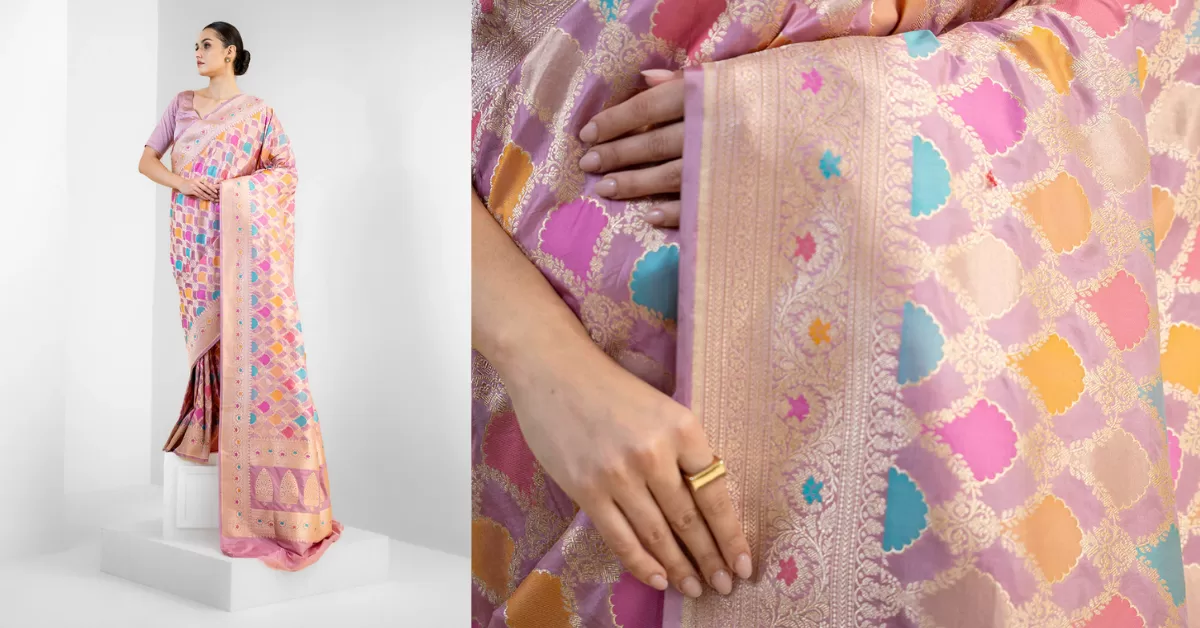
Although every bride has her own style and preferences, Katan Silk Rangkat Banarasi Sarees continue to be the most sought-after choice for traditional weddings.
The rich silk body enhances the depth of colours, supports intricate weaving, and creates the regal appearance that many brides associate with an authentic Banarasi bridal saree.
That said, modern brides are increasingly choosing Organza and Tissue Rangkat sarees for ceremonies such as engagements, receptions, and other wedding celebrations where they prefer a lighter drape with contemporary elegance.
Expert Insight
There is no single “perfect” fabric for every bride. The right choice depends on the wedding ceremony, comfort, personal style, and how the bride wants the saree to complement her overall bridal look. Understanding these differences helps buyers make a confident decision rather than selecting a saree based only on appearance.
Rangkat Banarasi Saree in Contemporary Fashion
Although the Rangkat Banarasi Saree traces its roots back centuries, its appeal continues to grow among today’s brides, designers, textile collectors, and luxury fashion enthusiasts. Its timeless craftsmanship has allowed it to remain relevant across generations without losing its traditional identity.
A notable example came during the pre-wedding celebrations of Anant Ambani and Radhika Merchant, where Nita Ambani wore a customised Rangkat Banarasi Saree designed by Manish Malhotra. The saree received national media attention for showcasing the extraordinary artistry of Banarasi weaving and introducing many people to the beauty of Rangkat craftsmanship.
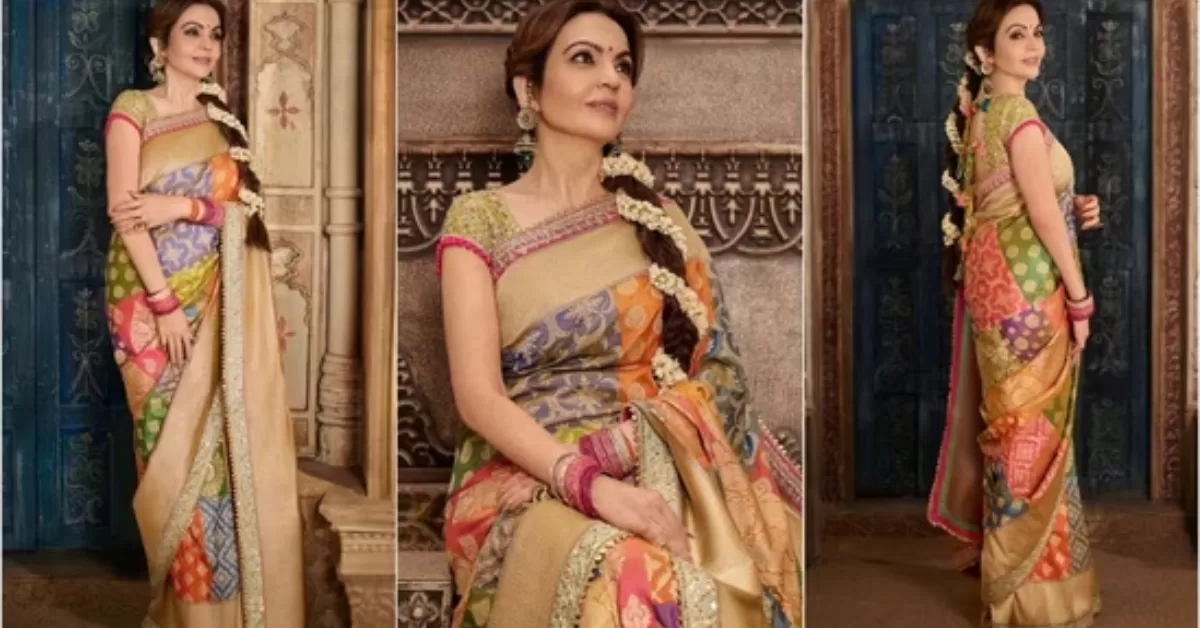
Rather than representing a passing fashion trend, such moments highlight the continued appreciation of authentic Indian handloom traditions on significant cultural occasions.
Today, Rangkat Banarasi Sarees continue to be chosen by:
- Brides looking for heirloom wedding sarees.
- Collectors of authentic Indian textiles.
- Luxury handloom enthusiasts.
- Families preserving traditional Banarasi heritage.
- Designers celebrating Indian craftsmanship.
The enduring popularity of Rangkat demonstrates that true craftsmanship remains relevant regardless of changing fashion trends.
How to Identify an Authentic Rangkat Banarasi Saree
As interest in Rangkat Banarasi Sarees continues to grow, buyers are often presented with a wide range of options. While many sarees may appear visually similar, the weaving technique, craftsmanship, materials, and authenticity can differ significantly.
Understanding a few important factors can help you make an informed purchase.
Examine the Weaving
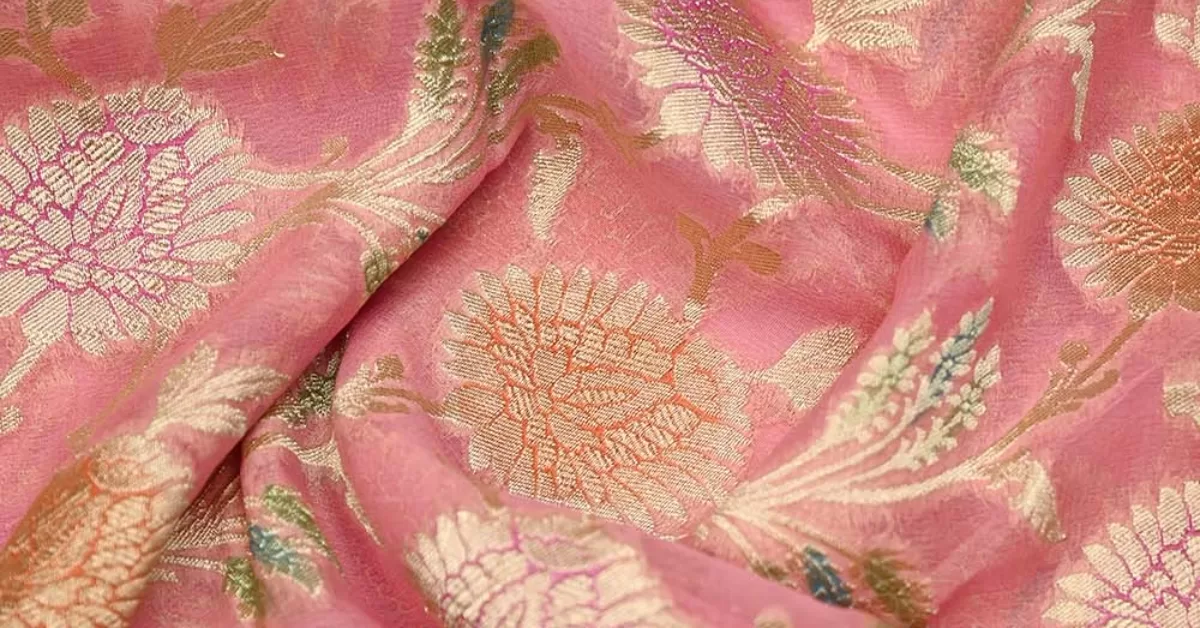
An authentic handwoven Rangkat should display smooth, well-balanced colour transitions and carefully executed motifs.
Rather than looking printed or artificially coloured, the design should appear naturally woven into the fabric.
Ask About the Weaving Technique
One of the most important questions to ask is:
How has this Rangkat saree been woven?
A knowledgeable seller should clearly explain whether the saree is created using:
- Kadwa weaving
- Cutwork weaving
- Machine weaving
Understanding the weaving method helps buyers appreciate why two visually similar sarees may differ significantly in craftsmanship, production time, and price.
Check the Silk and Zari Quality
The quality of silk and zari directly affects:
- appearance
- drape
- durability
- longevity
Higher-quality raw materials not only enhance the beauty of the saree but also preserve its elegance for years when properly maintained.
Purchase from a Trusted Banarasi Manufacturer or Heritage Store
Choosing an experienced Banarasi manufacturer or heritage store gives buyers access to transparent information about the saree’s craftsmanship, weaving technique, fabric, and authenticity.
Experienced textile experts can also guide buyers toward the most suitable Rangkat based on their occasion, budget, and personal preferences.
Look for Silk Mark Certification
If you’re purchasing a pure silk Rangkat Banarasi Saree, check whether it carries a Silk Mark certification.
Silk Mark certification helps verify the authenticity of pure silk and provides buyers with additional confidence when investing in premium silk handloom products.
Related Guide: How to Identify an Authentic Banarasi Saree
Related Guide: Showroom vs Local Market: Where to Buy Authentic Banarasi Sarees in Varanasi
Expert Insight
One question we encourage every customer to ask before purchasing is:
“How was this saree woven?”
The answer often reveals far more about the saree than simply knowing its price. Understanding the weaving technique helps buyers appreciate the craftsmanship behind every Rangkat Banarasi Saree.
How to Care for a Rangkat Banarasi Saree
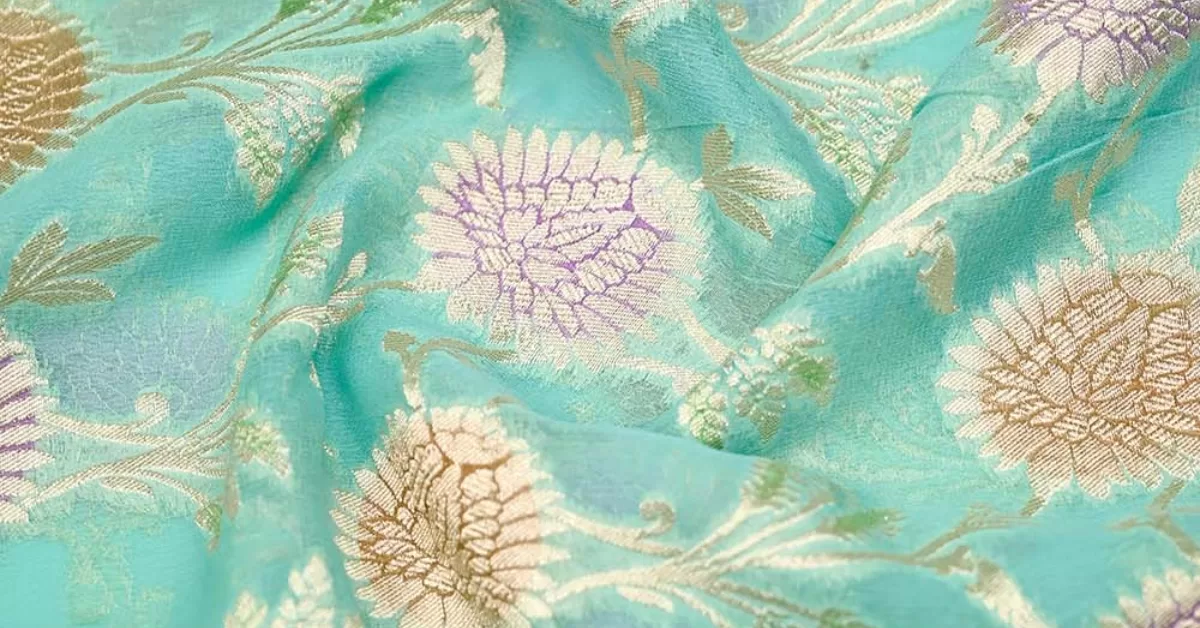
A Rangkat Banarasi Saree is more than a festive garment—it is a handcrafted textile that deserves thoughtful care. With proper maintenance, an authentic handwoven Rangkat can be preserved and enjoyed for generations.
To maintain its beauty:
- Prefer professional dry cleaning after use.
- Store the saree wrapped in a soft muslin cloth.
- Avoid prolonged exposure to direct sunlight.
- Refold the saree every few months to prevent permanent crease lines.
- Store it in a clean, dry place away from moisture.
These simple practices help preserve both the silk and the intricate craftsmanship of the saree.
How to Style a Rangkat Banarasi Saree
The artistic beauty of a Rangkat Banarasi Saree allows it to be styled for a wide variety of occasions.
For traditional weddings, many brides prefer richly woven Katan Silk Rangkat paired with classic gold jewellery to create a regal bridal look.
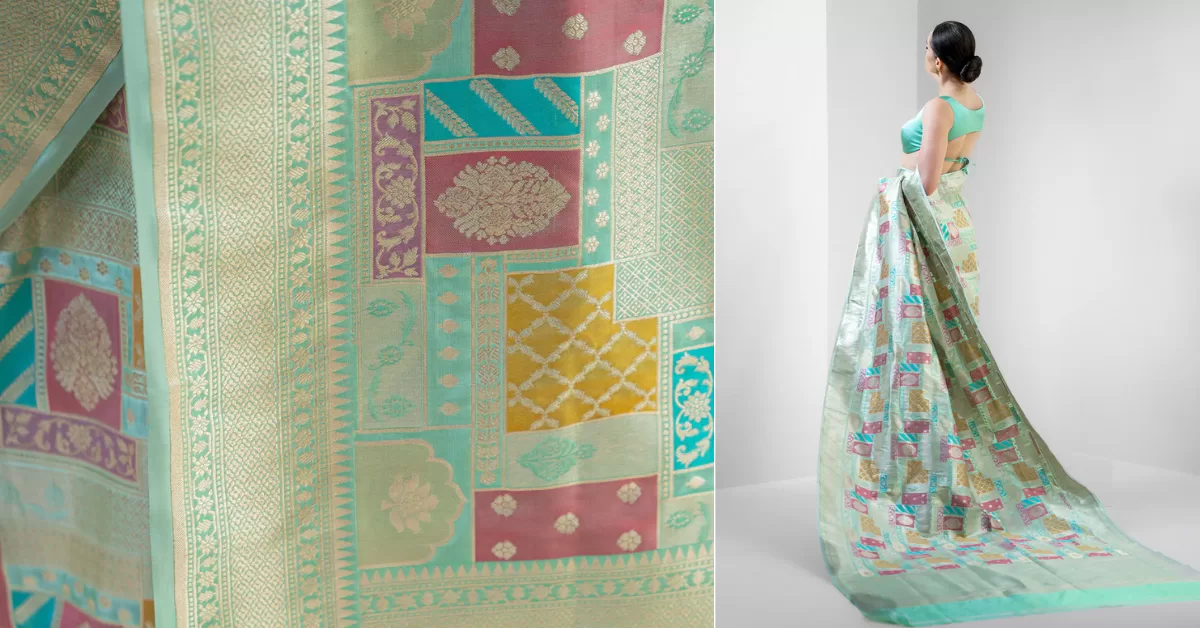
For receptions, festive celebrations, or formal events, lighter fabrics such as Organza and Tissue Rangkat offer graceful elegance while allowing the intricate colour transitions to remain the centre of attention.
Since Rangkat itself is visually expressive, balanced jewellery and thoughtfully chosen accessories often create the most sophisticated overall appearance.
Buying Guide: How to Choose the Right Rangkat Banarasi Saree
Choosing the right Rangkat Banarasi Saree begins with understanding why you’re buying it.
Your purpose will influence the ideal fabric, weaving technique, and overall investment.
| If you’re looking for… | Consider… |
| Bridal heirloom | Handwoven Kadwa Rangkat in Katan Silk |
| Wedding ceremonies | Katan Silk or Tissue Rangkat |
| Reception or festive wear | Organza or Georgette Rangkat |
| Collectible craftsmanship | Intricate Handwoven Kadwa Rangkat |
| Budget-friendly elegance | Cutwork Rangkat |
Before making your decision, always consider:
- The occasion.
- The weaving technique.
- The fabric.
- Whether it is handwoven or machine-made.
- The authenticity of the seller.
- Silk Mark certification (where applicable).
Making an informed decision ensures that your Rangkat Banarasi Saree is not only beautiful today but also remains valuable for years to come.
Expert Insight
A Rangkat Banarasi Saree should never be chosen based solely on appearance.
The weaving technique, craftsmanship, fabric, and authenticity together determine its true value. Buyers who understand these factors usually make more satisfying long-term investments and develop a deeper appreciation for Banarasi handloom traditions.
How Does Rangkat Compare to Other Popular Banarasi Weaves?
Banaras is home to several remarkable weaving traditions, each with its own artistic identity. Understanding their differences helps buyers appreciate why every weave serves a different purpose.
| Banarasi Weave | Best Known For | Ideal For |
| Rangkat | Multi-colour artistic weaving and colour transitions | Brides, collectors and luxury buyers |
| Kadwa | Individually handwoven motifs with exceptional craftsmanship | Heritage collectors and premium bridal wear |
| Jangla | Dense floral and vine-inspired patterns | Grand weddings and ceremonial occasions |
| Tanchoi | Intricate self-pattern weaving with minimal zari | Elegant celebrations and formal occasions |
| Meenakari | Colourful woven motifs enhanced with decorative highlights | Festive and traditional wear |
Rather than asking which Banarasi weave is “best”, it is more useful to ask which weave best suits your occasion, style, and expectations. Every weaving tradition represents a unique chapter in the rich textile heritage of Banaras.
Related Guides
- What Is Katan Silk and Is It Pure?
- Which Silk Saree Is Most Expensive? India’s Heritage Silks Price Ranked
- How to Identify Real Tissue Silk Saree – Complete Buyer’s Guide
Common Myths About Rangkat Banarasi Sarees
Despite its growing popularity, there are still several misconceptions surrounding Rangkat Banarasi Sarees. Understanding the facts helps buyers make informed decisions.
Myth 1: Rangkat is a Fabric
Reality: Rangkat is not a fabric.
It is a distinctive weaving style that can be created on different Banarasi fabrics such as Katan Silk, Organza, Tissue, Georgette, and others.
Myth 2: Every Rangkat Saree is Woven Using Kadwa
Reality: While Kadwa is considered the most prestigious weaving technique for Rangkat, it is not the only one.
Rangkat designs are also created using Cutwork weaving and machine production, each offering different levels of craftsmanship and pricing.
Myth 3: Every Expensive Banarasi Saree is a Rangkat
Reality: Banaras is famous for several premium weaving traditions including Kadwa, Jangla, Tanchoi, Meenakari, and Jamdani.
Price alone does not determine whether a saree is a Rangkat.
Myth 4: Machine-Made Rangkat and Handwoven Rangkat are the Same
Reality: Although machine-made Rangkat sarees can achieve a similar visual appearance, they cannot replicate the craftsmanship, individuality, or artistic complexity of authentic handwoven Rangkat weaving.
Myth 5: Rangkat Banarasi Sarees are Only for Brides
Reality: Bridal wear is only one of many occasions where Rangkat is appreciated.
Depending on the fabric and design, Rangkat Banarasi Sarees are equally suitable for receptions, festivals, family celebrations, cultural events, and heirloom collections.
Final Thoughts
A Rangkat Banarasi Saree represents far more than a beautiful combination of colours.
It reflects centuries of weaving knowledge, artistic vision, and the dedication of skilled artisans who continue to preserve one of Banaras’ most remarkable textile traditions.
Whether woven using the intricate Kadwa technique, crafted through Cutwork, or interpreted through modern production methods, every Rangkat tells a story of craftsmanship rooted in the cultural heritage of Varanasi.
For buyers, understanding the weaving technique, fabric, and authenticity behind a Rangkat Banarasi Saree is just as important as appreciating its visual beauty. An informed purchase not only ensures lasting satisfaction but also supports the continuation of one of India’s finest handloom traditions.
At JDS Banaras, our family has been associated with Banarasi textiles for over a century. As manufacturers, wholesalers, and retailers working closely with generations of skilled artisans, we believe that preserving authentic Banarasi craftsmanship begins with sharing accurate knowledge. We hope this guide has helped you better understand the artistry, heritage, and enduring value of the Rangkat Banarasi Saree.