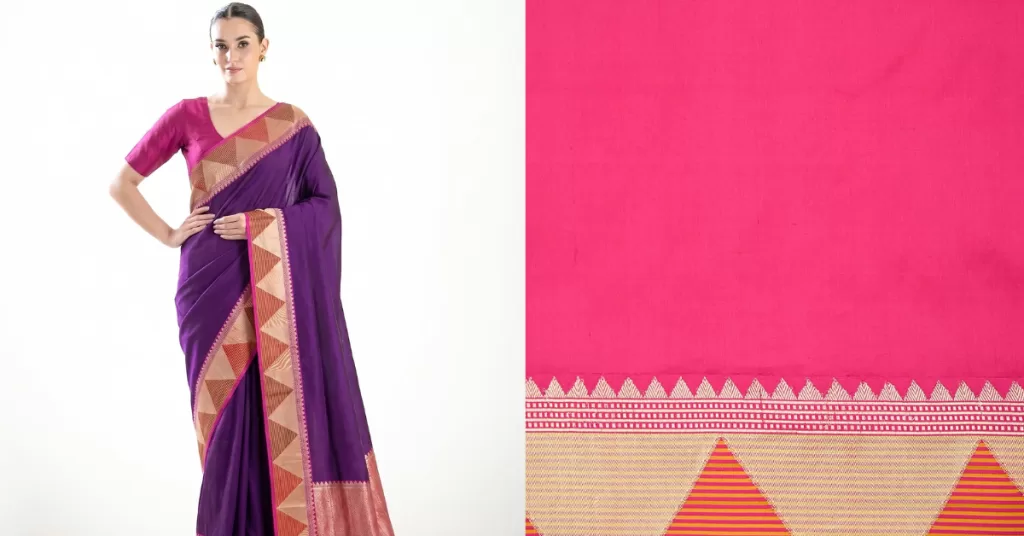
Here’s the honest answer, straight from a weaver’s family: there is no separate silk called “Banarasi silk.” Banarasi is not a type of silk at all — it’s a place, a tradition, a style of weaving that belongs to Varanasi (once called Banaras). The actual silk used in Banarasi sarees is almost always pure Mulberry […]
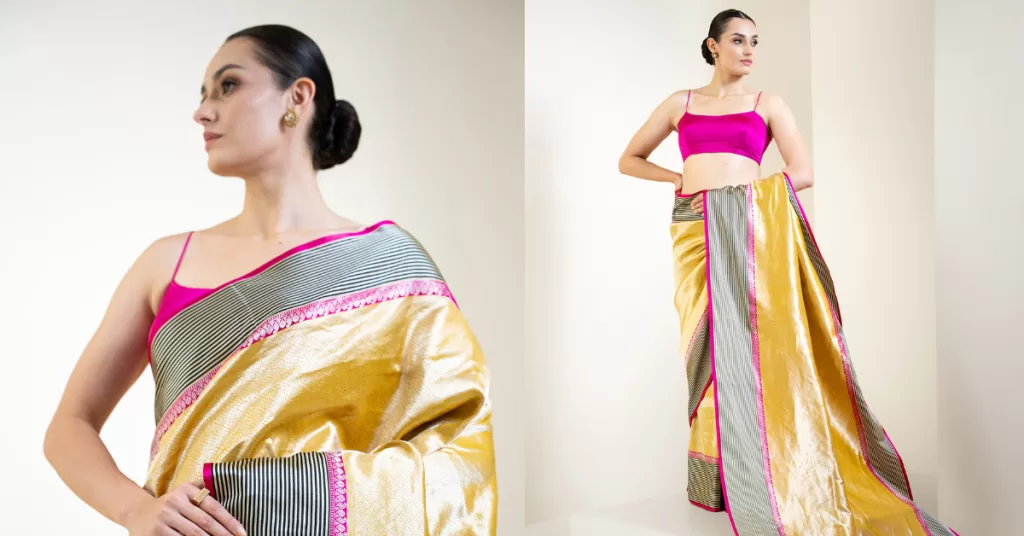
Banarasi brocade sarees are handwoven silk sarees from Varanasi in which gold and silver zari thread is woven directly into the fabric itself to create the design — not printed, not embroidered on afterward, but built into the cloth on the loom. This is what the word “brocade” specifically means in weaving: a raised, ornamental pattern […]
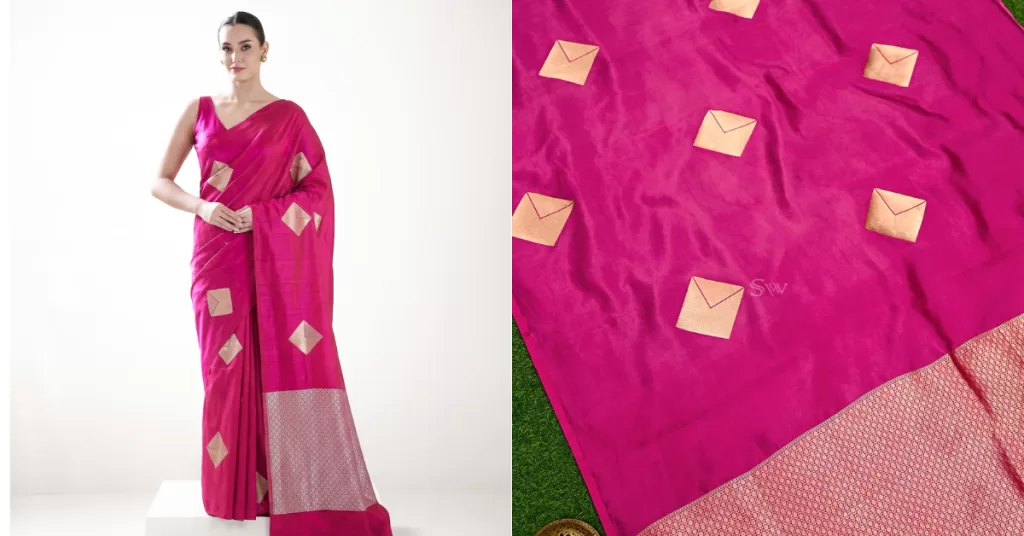
Kadhua weave (also spelled Kadwa or Kadhwa) is a hand-weaving technique from Varanasi in which every individual motif on a Banarasi saree — every buti, every flower, every paisley — is woven separately by hand, rather than created by throwing a single shuttle continuously across the fabric. The weaver stops at the edge of each motif, […]
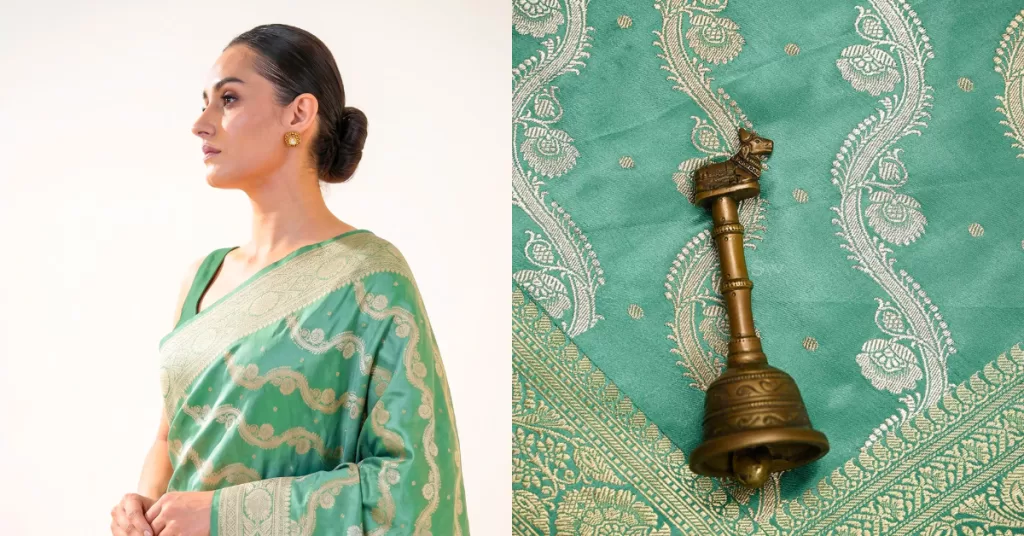
Whether you’re opening a boutique, expanding your ethnic wear collection, selling online, or sourcing Banarasi sarees for export, choosing the right wholesale supplier is one of the most important decisions you’ll make. The Banarasi textile industry is home to numerous manufacturers, wholesalers, and traders, each serving different business needs. While this offers buyers plenty of […]
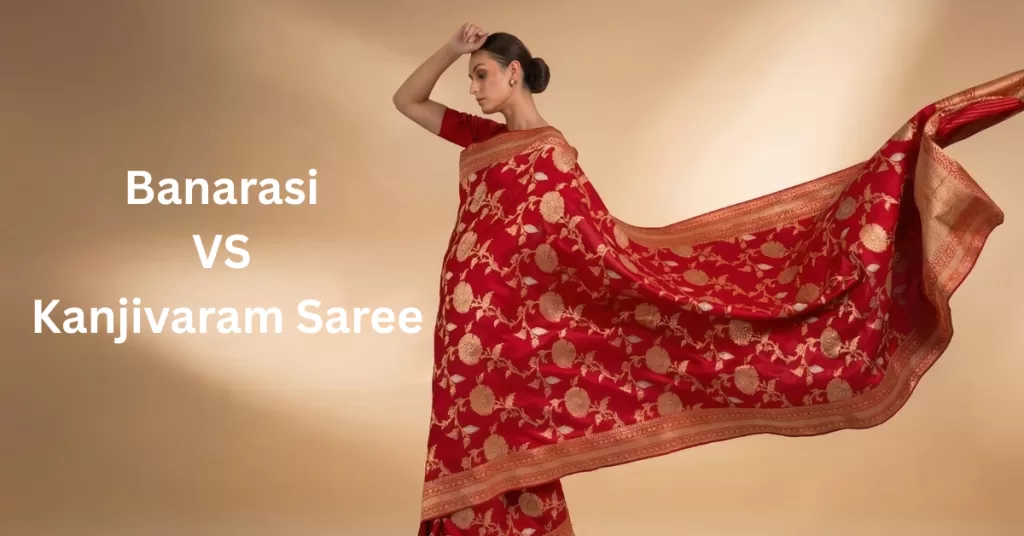
Banarasi and Kanjivaram are both handwoven pure silk sarees, but they come from different regions, use different weaving techniques, and are built for different purposes. Banarasi sarees are woven in Varanasi, Uttar Pradesh, using fine silk threads and intricate brocade or Kadwa weaving to create Mughal-inspired floral and paisley motifs — the result is a […]
Know Your Banarasi
Where to Find Trusted Banarasi Saree Wholesalers in Varanasi? A Complete Buyer’s Guide
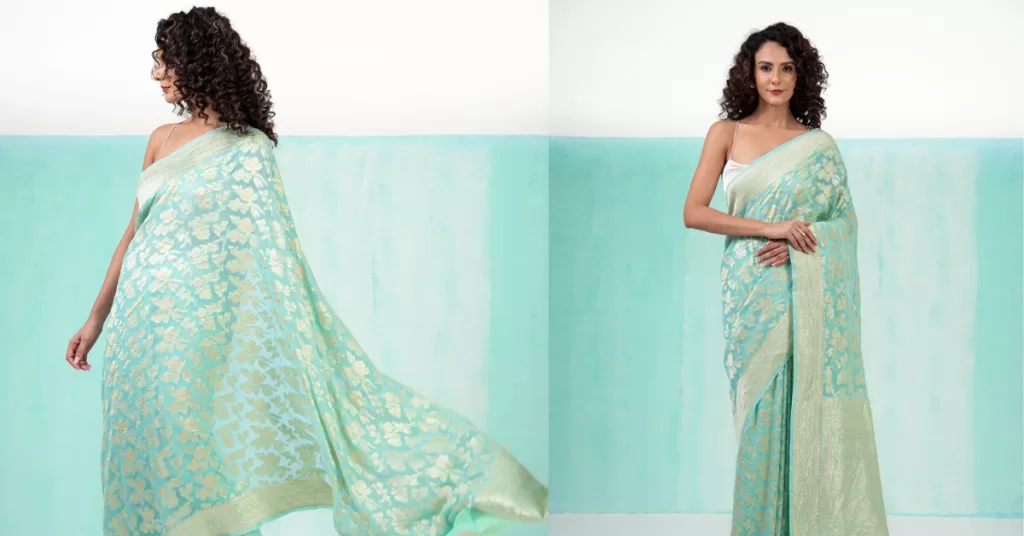
Introduction So you want to sell Banarasi sarees — maybe you’re opening a boutique, maybe you’re already running one and want better suppliers, or maybe you’re an online seller trying to break into ethnic wear. Whatever your situation, the supplier you choose will make or break things for you. I’m not exaggerating. Varanasi is where […]
Know Your Banarasi
Meenakari Banarasi Saree: The Complete Guide to Banaras’ Finest Colourful Weaving Art
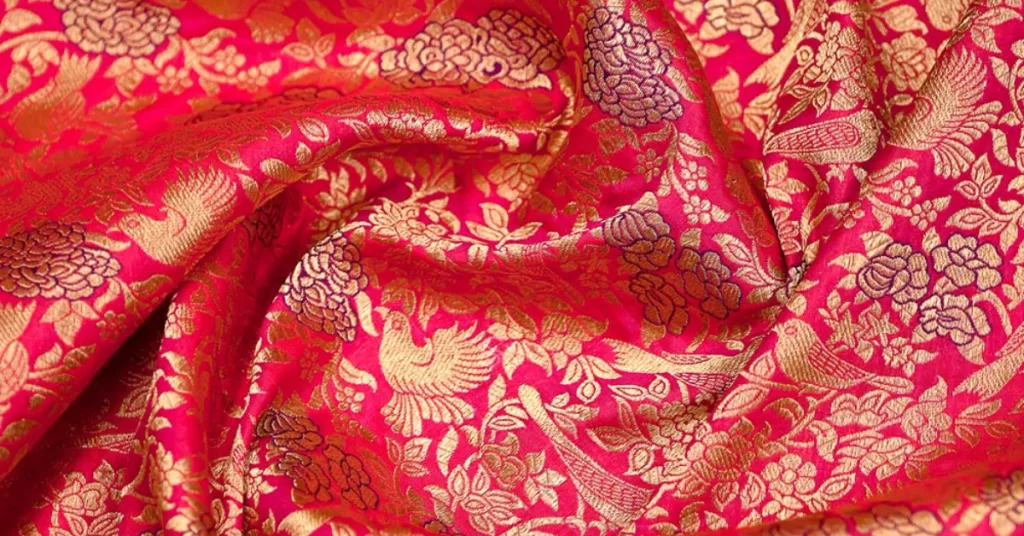
What is a Meenakari Banarasi Saree? A Meenakari Banarasi Saree is one of the most artistic and intricate forms of Banarasi weaving, admired for its vibrant multicoloured motifs created using fine Resham (silk) threads. Unlike traditional Banarasi sarees that primarily rely on zari for decorative patterns, Meenakari introduces carefully woven coloured silk threads into floral, […]
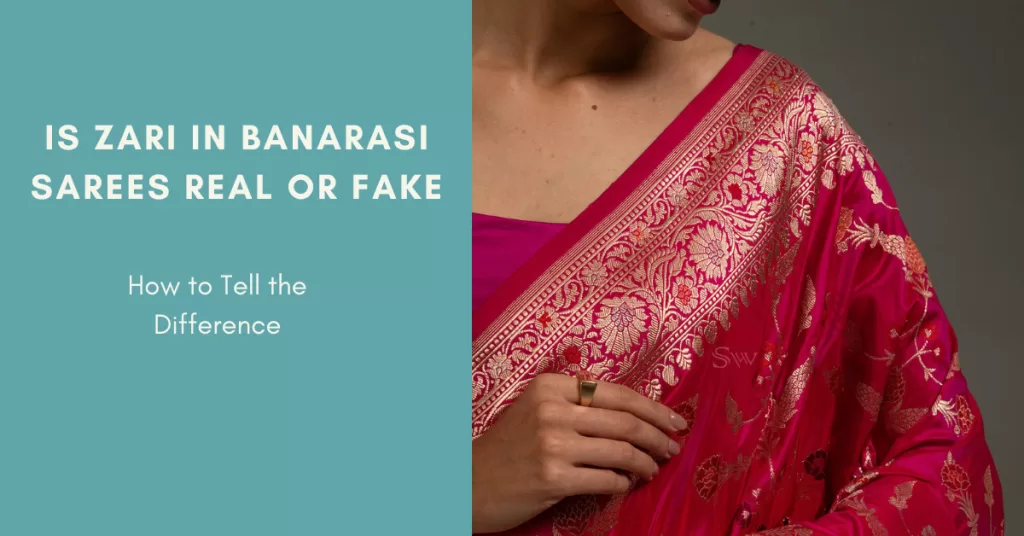
Real zari in Banarasi sarees is made from pure silver wire coated with real gold, wrapped tightly around a natural silk core thread. Fake zari — which dominates the market today — is metallic polyester film or copper wire with no precious metal content at all. Whether a zari is “real” depends entirely on the […]
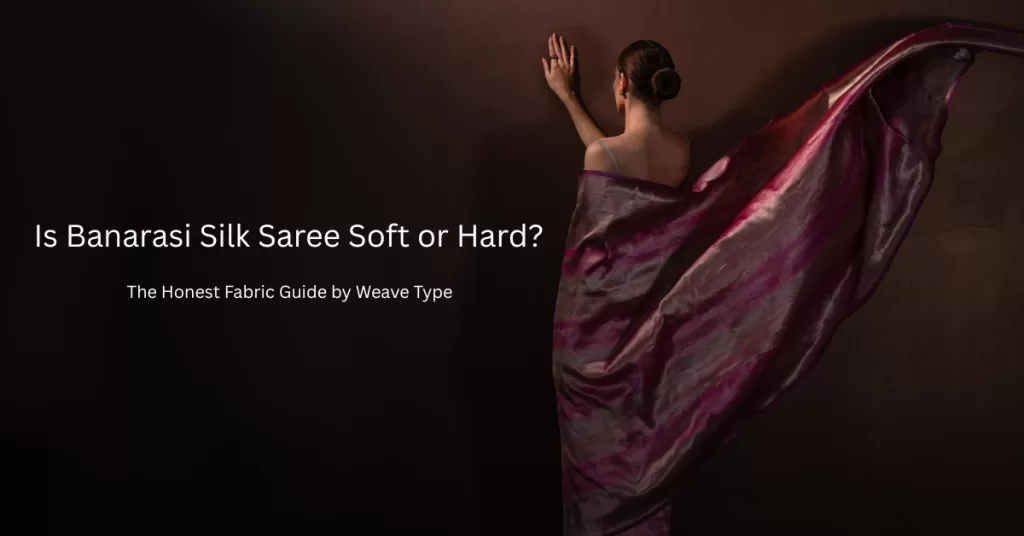
A Banarasi silk saree is neither uniformly soft nor uniformly hard — it depends entirely on the weave type. Pure Katan silk Banarasi is slightly stiff and structured when new, but softens naturally with wear and careful washing. Georgette Banarasi is soft, flowy, and lightweight from the moment you hold it. Organza Banarasi is crisp and […]
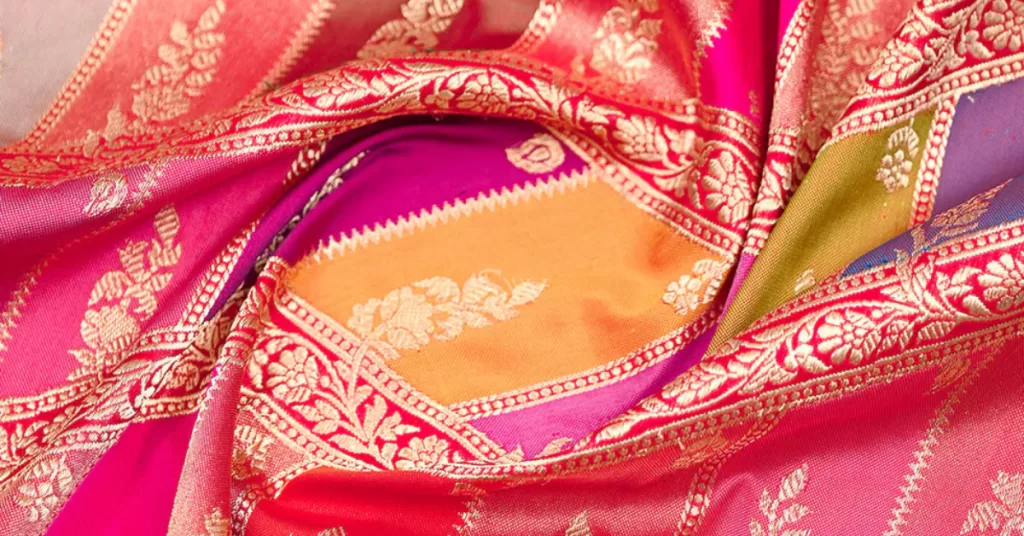
Introduction Among the many weaving traditions that originated in Banaras, few are as visually captivating and technically demanding as the Rangkat Banarasi Saree. Celebrated for its vibrant colour transitions, intricate craftsmanship, and artistic excellence, Rangkat is regarded as one of the finest expressions of Banarasi handloom weaving. Unlike conventional Banarasi sarees that usually feature a […]